

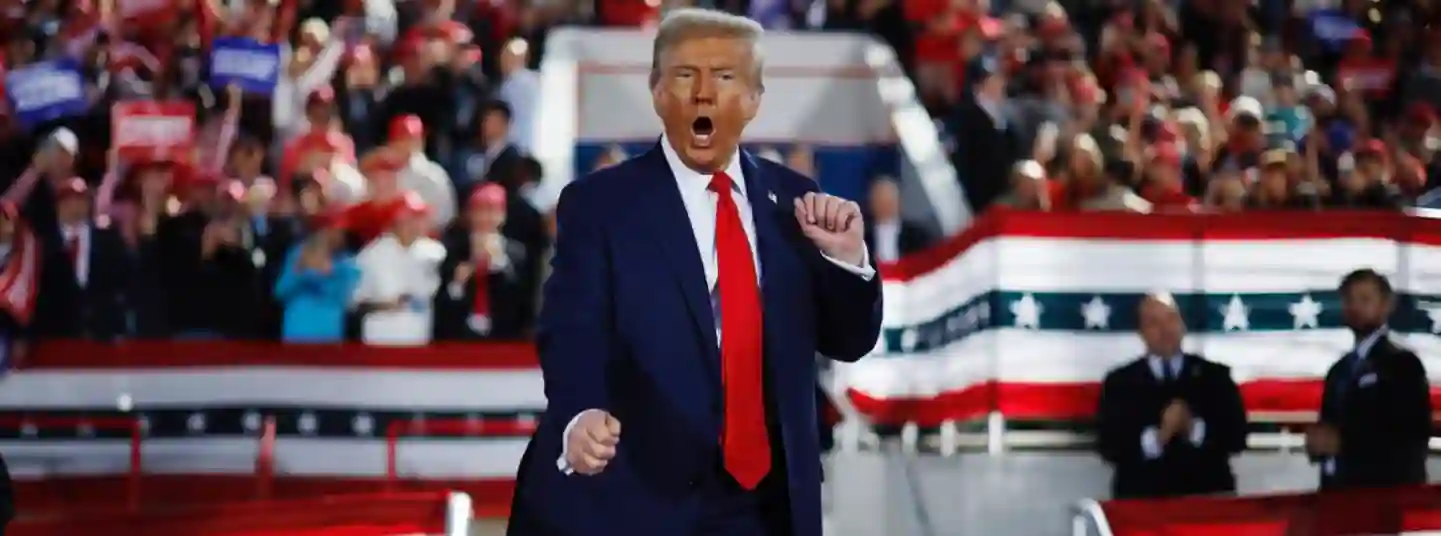
The impact of U.S. Presidential elections between Harris & Trump was always going to have wide-reaching effects on global markets, and Donald Trump’s victory in the 2024 race is no exception. Known for his assertive economic and trade policies, Trump’s return to the White House is expected to bring a shift toward protectionist, "America First" policies, influencing global markets and impacting India's trade, technology, defense, and economic relationship with the U.S.
In today’s video let’s explore how Trump’s policies are expected to impact the U.S. and Indian markets.
1. Broad Market Reactions
India’s BSE Sensex ended US election day up around 1.1%, Japan’s Nikkei ended up around 2.6%. US markets were up around 1-2% during the announcement.
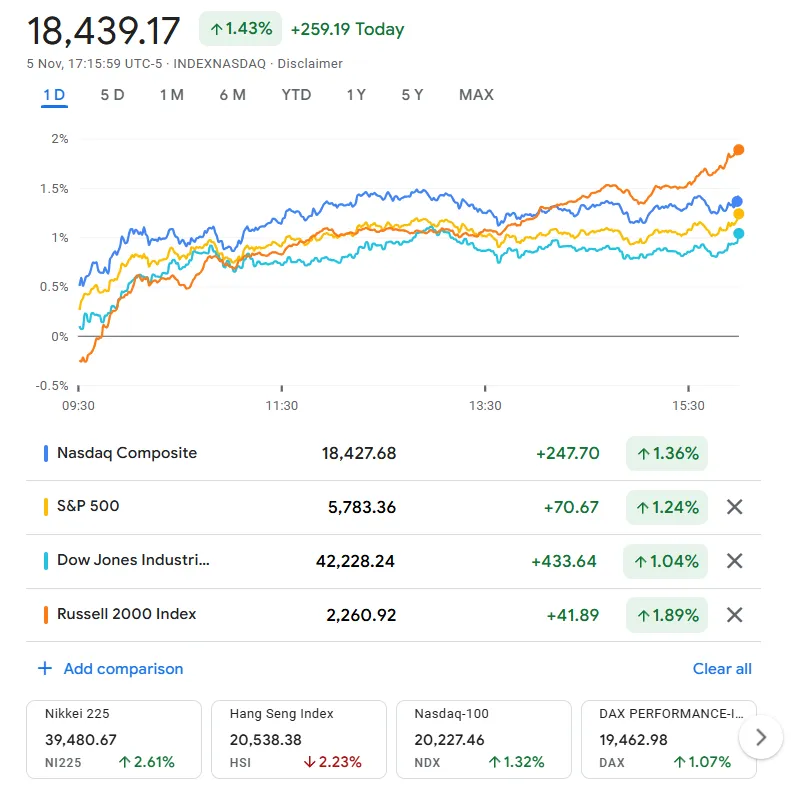
Volatility and Uncertainty:
Markets typically react strongly to Trump’s policy announcements, which means we can anticipate heightened volatility as investors assess his priorities.
Trump's protectionist policies and aggressive trade stances may also weigh on investor sentiment in the short term, but long-term benefits could arise from strengthened U.S.-India economic ties and reduced dependence on China.
Currency Markets:
A stronger dollar is expected, with increased hedge fund positions in anticipation of market volatility, reflecting a shift to dollar-backed assets as a hedge.
Emerging market currencies like the Indian Rupee may face depreciation pressures.
Historical Market Performance
Examining market responses during Trump’s previous term, we see that U.S. equities performed well, particularly in energy, defense, and financials. A similar pattern may emerge, with defensive and industrial stocks likely gaining in both U.S. and Indian markets.
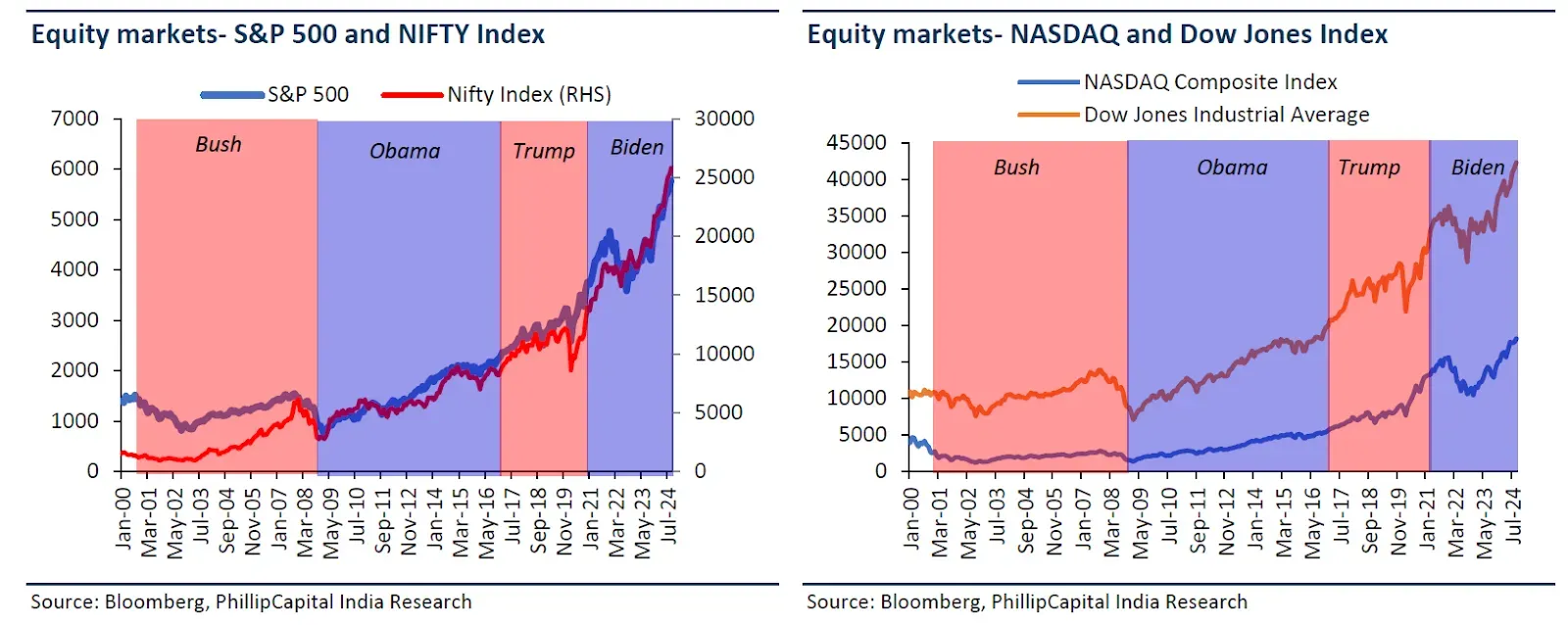
Investment Insight: Defensive positions and balanced portfolios may offer resilience against volatility.
Let’s look at the sectors in depth
Check the macro backdrop
GDP, inflation, rates and more — India’s key economic indicators in one dashboard.
2. Sectoral Impact on U.S. and Indian Markets
a) Energy and Commodities
Oil & Gas: Trump's favorable stance toward fossil fuels is expected to increase U.S. oil and natural gas production, potentially leading to lower global energy prices. This would benefit India by reducing import costs and supporting its energy transition with affordable long-term gas contracts.
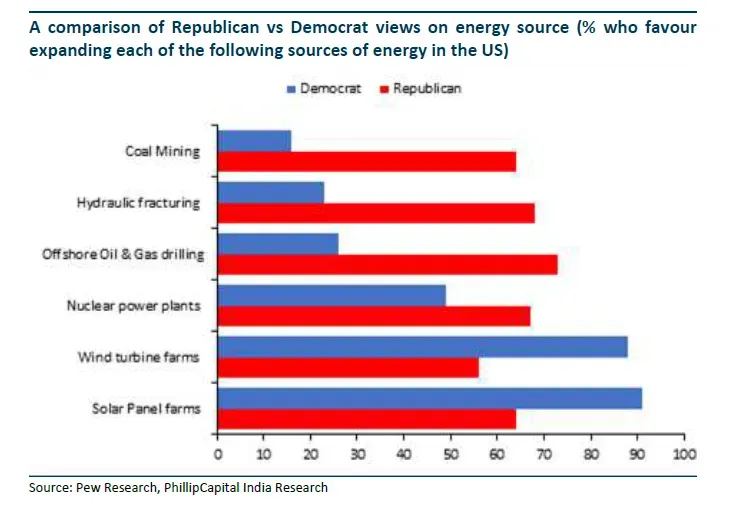
Commodities: Increased U.S. infrastructure investment under Trump could drive demand for metals, creating export opportunities for Indian metal producers.
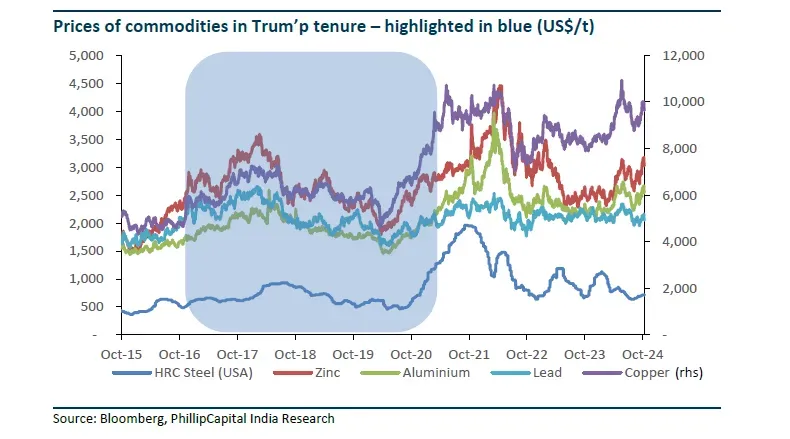
Investment Insight: Investors in energy stocks should watch for short-term gains in U.S.-based oil companies, while Indian refiners might benefit from lower input costs.
b) Defense and Manufacturing
Trump's transactional approach to defense aligns with India's strategic needs in the Indo-Pacific region, suggesting potential growth in defense collaboration and arms sales.
His tough stance on China aligns with India’s Indo-Pacific strategy, which could enhance bilateral defense ties. India may seek formal defense designations from the U.S., solidifying its role as a key U.S. partner in the region.
Investment Insight: Defense stocks in both the U.S. and India are likely to see positive sentiment. Companies engaged in manufacturing and infrastructure, especially those connected to defense, could be well-positioned for growth.
c) Technology and IT Services
Immigration and Visa Restrictions:
Trump’s anti-immigration stance may impact the availability of H-1B visas, potentially challenging Indian IT companies that rely on U.S.-based staff.
Indian firms may continue to adopt local hiring and near-shore delivery centers in North America to mitigate visa dependency.
Investment Insight: U.S. technology firms could face hiring constraints, which might drive up costs. Indian IT companies with diversified hiring strategies may better weather these challenges.
d) Automotive Sector and EV Market
Trump’s resistance to aggressive electric vehicle (EV) incentives may slow EV adoption in the U.S. While this could impact Indian suppliers for EV components, it could also push hybrid vehicle demand, benefiting suppliers with hybrid-compatible components.
Investment Insight: Companies involved in traditional auto components may find opportunities, especially those focusing on hybrid rather than pure EV parts.
e) Pharmaceuticals and Healthcare
While Trump has expressed interest in reducing healthcare costs, his approach differs from that of the Democrats, focusing more on privatization and reducing public healthcare funding. Trump could also reintroduce competitive pricing policies. Despite these challenges, demand for Indian generics is likely to remain stable due to the U.S.'s reliance on affordable pharmaceuticals.
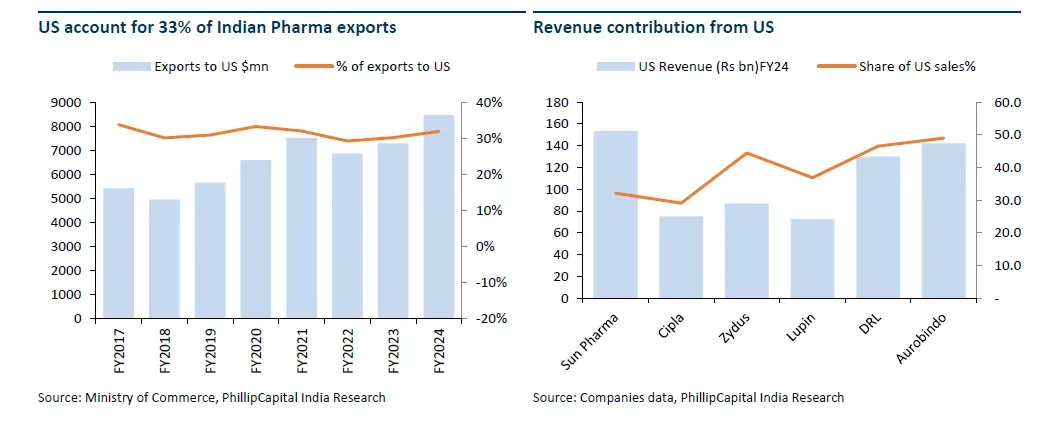
Investment Insight: Indian pharma companies may see steady demand for generics exports but will need to watch for U.S. regulatory changes. Investors may want to focus on diversified pharma firms with strong domestic and international portfolios.
Get research like this in your inbox
The week’s research that mattered, in five minutes. Joined by 1.6L+ investors.
3. Macroeconomic Impacts: Inflation, Rates, and Growth
Trump’s administration is expected to pursue pro-growth policies like corporate tax cuts and deregulation, which could stimulate U.S. economic activity in the short term.
Trump’s policies may initially favor low-interest rates to fuel growth, but his focus on U.S. self-sufficiency could drive inflation in the long term, particularly if import tariffs rise. This could disrupt global supply chains, creating price pressures in certain goods and sectors.
However, concerns around inflation and fiscal expansion remain. Trump's potential pressure on the Federal Reserve for more favorable rates could lead to mixed outcomes for the U.S. dollar, which has already seen a surge due to investor hedging.
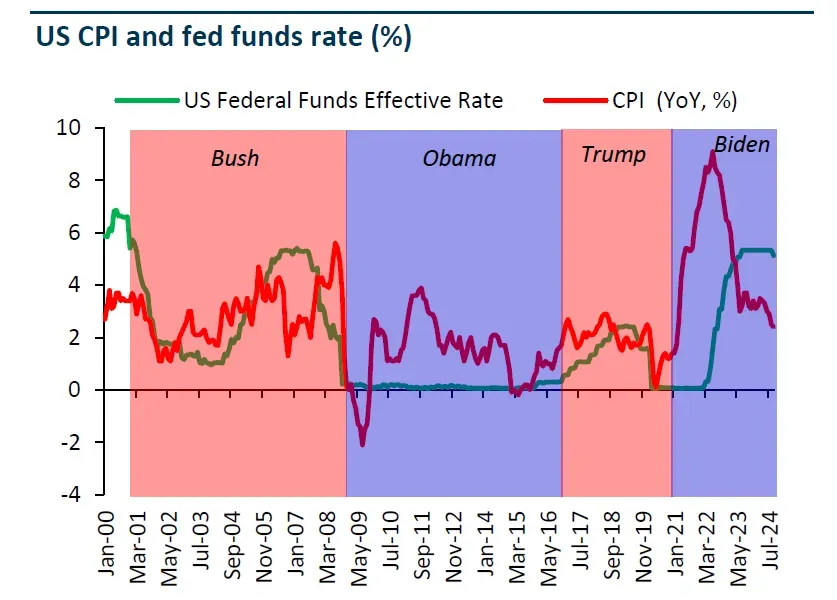
India could also benefit from lower global oil prices due to Trump’s support for fossil fuels and increased U.S. energy production, reducing India’s import bill and easing inflationary pressures. This energy landscape provides India with a macroeconomic tailwind, supporting stable growth and enhancing India's fiscal balance. Furthermore, with robust foreign exchange reserves, stable inflation, and moderate real rates, India is positioned to navigate potential volatility in the dollar-driven global markets effectively.
Investment Insight: Investors should remain cautious of potential inflationary impacts and focus on sectors less susceptible to price fluctuations, such as utilities and staples.
4. Geopolitics: Strategic Alliance with India
Trump's re-election underscores a strong U.S.-India alignment, particularly as both countries seek to counterbalance China’s influence in the Indo-Pacific. His administration is expected to intensify the "China Plus One" strategy, which encourages supply chain shifts away from China to friendly nations like India. This presents a significant opportunity for India to strengthen its manufacturing base and attract investment from the U.S., Europe, and other developed markets.
Trump's strong anti-China stance aligns with India's strategic interests, providing India with a supportive ally in countering Chinese influence in Asia.
Trump’s focus on national security could restrict Chinese tech influence, opening opportunities for India to strengthen its position as a technology and defense partner.
Trump has frequently expressed admiration for Modi’s leadership and praised India's resilience and stability under his governance. Trump’s softer stance on Russia could benefit India’s geopolitical strategy, as India maintains ties with both the U.S. and Russia.
Investment Insight: Sectors in India that align with U.S. import needs—especially manufacturing and consumer electronics—may see increased demand. Indian companies with a focus on U.S. exports might need to monitor policy changes closely.
See what markets are pricing in
Live indices, sector moves and market breadth — the backdrop to every story we publish.
Conclusion
As Trump resumes his presidency, investors should prepare for policy-driven market shifts. The emphasis on fossil fuels, infrastructure, and defense could offer lucrative opportunities, but heightened tariffs, visa restrictions, and inflation concerns pose risks. For Indian markets, particularly, the U.S.-China trade dynamic and defense partnerships will be key areas to watch. Staying informed and adaptable will be crucial for navigating this new economic environment, as Trump’s victory sets the stage for impactful changes in global and Indian markets alike.
So how do you think the Trump presidency will play out for Indian markets?