

Americans vote on 3 November 2026 for all 435 seats in the House of Representatives and 35 seats in the Senate. Polling averages give Democrats a lead of around nine points on the generic congressional ballot, and the president's party has lost House seats in 18 of the 20 midterms held since the Second World War. Markets broadly expect a divided Congress from January.
The result matters well beyond Washington because the vote arrives at a fragile moment for global capital. US Treasury yields are near their highest levels since 2002, the Federal Reserve has started raising rates again, and the AI trade that carried global equities through 2026 is showing strain in credit markets. India is exposed to each of these forces. This article draws on recent research to trace how the US election connects to global markets, the Indian economy and Indian equities.
Why are these midterms being fought over household finances?
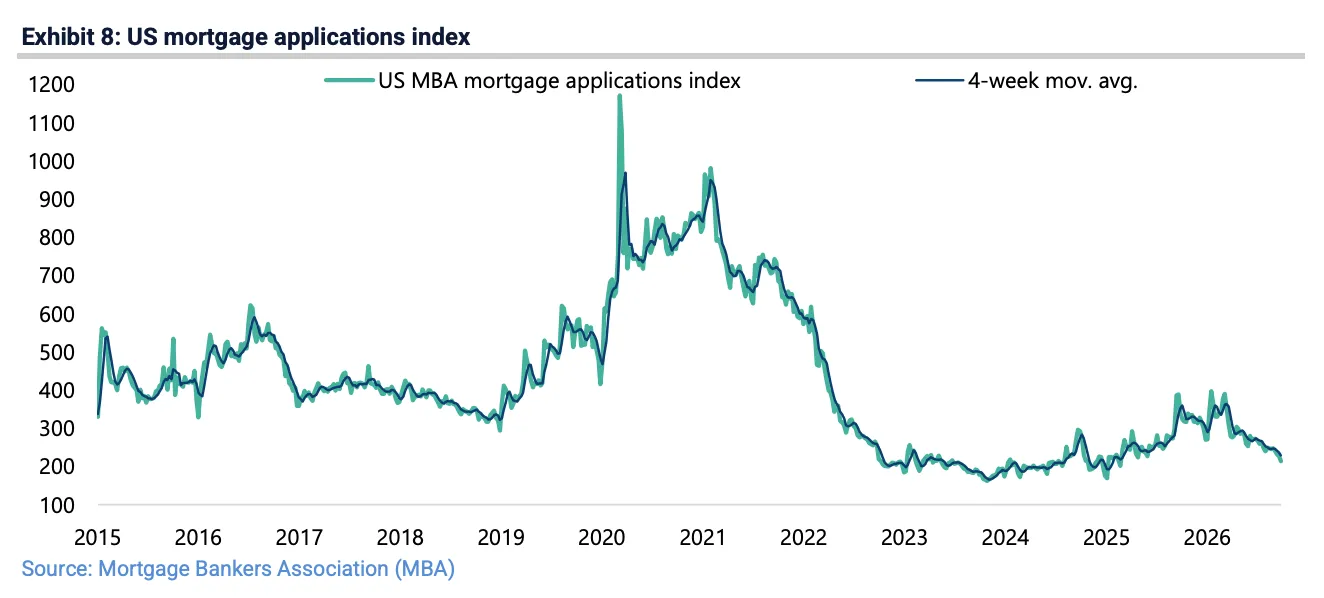
Prices are the central issue. US headline inflation rose to 3.7% in September, with energy prices up about 20% from a year earlier as conflicts involving Iran and Yemen keep pressure on oil supply. The Conference Board's consumer confidence index fell to 81.9 in September, its lowest reading since 2014, and the University of Michigan's measure of current conditions hit a record low in October.
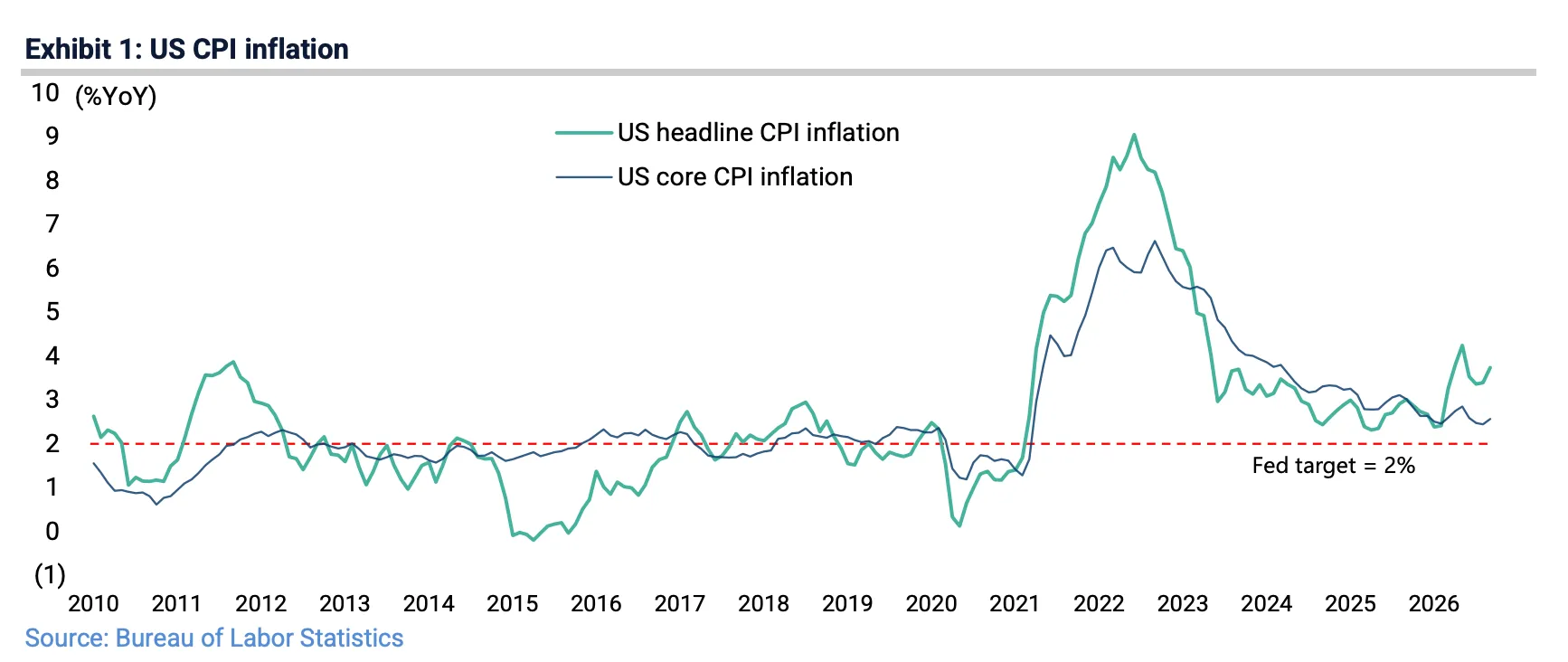
A Fox News poll taken from 9 to 12 October found that 70% of Americans disapprove of the President's handling of the economy.
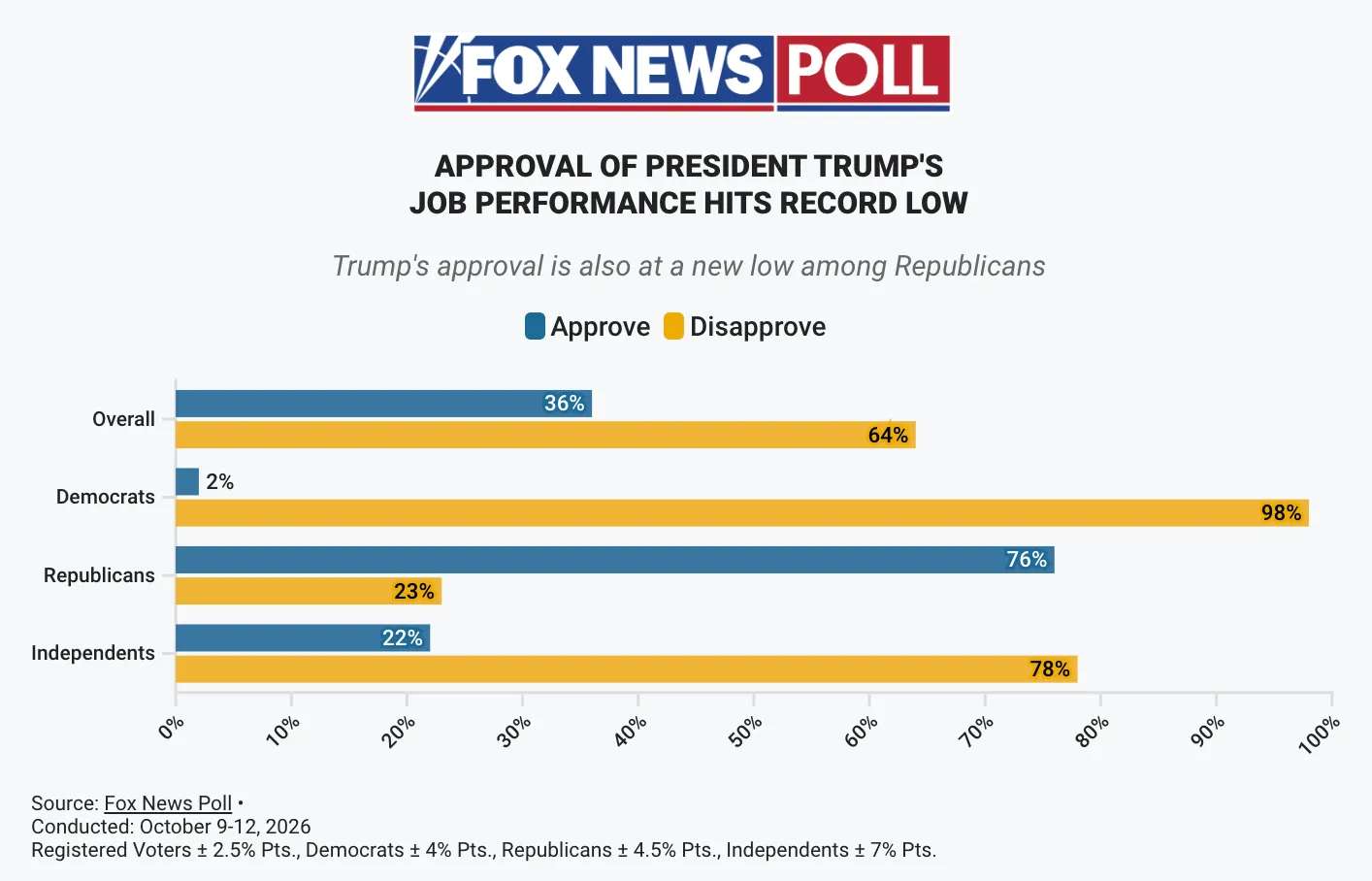
Expensive credit adds to the strain. The 30-year mortgage rate has reached about 7.3%, and mortgage applications are down 37% from a year earlier. Rising prices combined with costly borrowing is a difficult record for any governing party to defend.
A K-shaped economy produces a divided electorate
The Federal Reserve's latest Survey of Consumer Finances shows how unevenly recent gains have been shared. Between 2022 and 2025, real median wealth for the top 10% of earners rose 31%, while it fell 6% for the bottom 20%. Households headed by someone under 35 lost 23% of their median wealth, and the share of families behind on debt payments rose from about 12% to 20%.
Headline measures such as GDP and corporate profits look healthy because asset owners and AI-linked companies are doing well. Most voters live on the lower arm of the K.This gap makes a Republican defeat his working assumption until polling proves otherwise.
Check the macro backdrop
GDP, inflation, rates and more — India’s key economic indicators in one dashboard.
What can a Democratic House change, and what stays the same?
A Democratic House would gain control of spending bills, committee investigations and debt ceiling negotiations. Its influence over trade and foreign policy would be limited, because the White House holds most of those levers.
This distinction matters for India. The US Supreme Court struck down the emergency-powers basis for the broad reciprocal tariffs in February, yet the administration has continued to impose duties through other statutes. The average effective US tariff rate is expected to stay between 10% and 20% even under a divided government. A law signed in September also allows tariffs of up to 100% on the largest buyers of Russian energy, a group that includes India, with measures due from 18 October. That law passed with bipartisan support, so a change in House control is unlikely to soften it.
New Delhi has slowed its own trade talks with Washington for this reason. The final tariff terms depend on how the administration emerges from the vote.
Outcome | What changes in Washington | What it means for India |
Democratic House, Republican Senate (most likely) | Oversight hearings on tariffs and prices, tougher budget talks, higher risk of a government shutdown | Tariff policy stays largely with the White House; any trade deal that needs legislation faces closer scrutiny |
Democrats win both chambers | Stronger checks on spending, appointments and executive trade actions | More pressure on unilateral tariffs, though the Russian energy sanctions law has bipartisan backing |
Republicans hold both chambers | Policy continuity and room for further tax cuts and defence spending | More US borrowing keeps Treasury yields high; tariff pressure on India continues |
Can the US stock market rally hold through the vote?
History favours stocks after midterms. The S&P 500 has risen in the 12 months following 32 of the last 38 midterm elections, with an average gain of about 14%. Analysts at U.S. Bank point out that the pattern is statistically weak and that the economy drives returns far more than the election result.
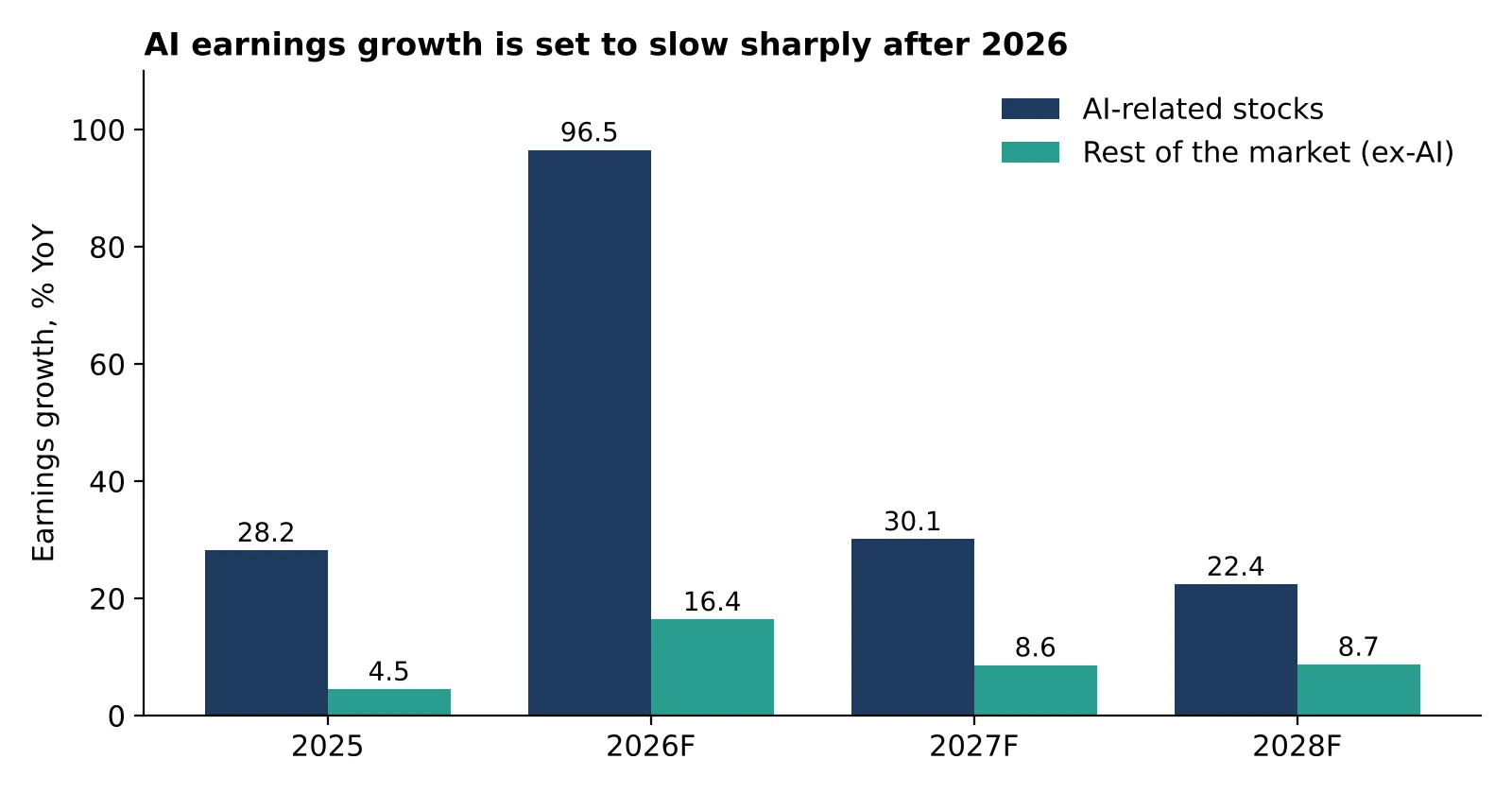
This year the usual pre-election weakness did not appear, because AI investment lifted corporate profits. S&P 500 earnings for the third quarter are forecast to grow about 30%, and semiconductor earnings are expected to more than double. The concern is that this support narrows from here. Earnings growth for AI-related stocks globally will fall from about 100% in 2026 to around 30% in 2027, while the rest of the market grows at a steadier pace. AI stocks trade at about 23 times forward earnings, compared with 13 times for the rest of the market.
Credit markets are giving the earlier warning
Lenders funding the AI build-out are asking for more compensation. The cost of insuring Oracle and CoreWeave debt against default has risen to its highest level since the AI spending cycle began in 2023. When September inflation came in above forecasts, the S&P 500 fell 1.1% and the semiconductor index fell 4.3% in a single session. Wood's advice to watch credit spreads for signs that lenders are pulling back has become the main test for global equities, whichever party wins in November.
Get research like this in your inbox
The week’s research that mattered, in five minutes. Joined by 2L+ investors.
How does the US bond market reach the Indian economy?
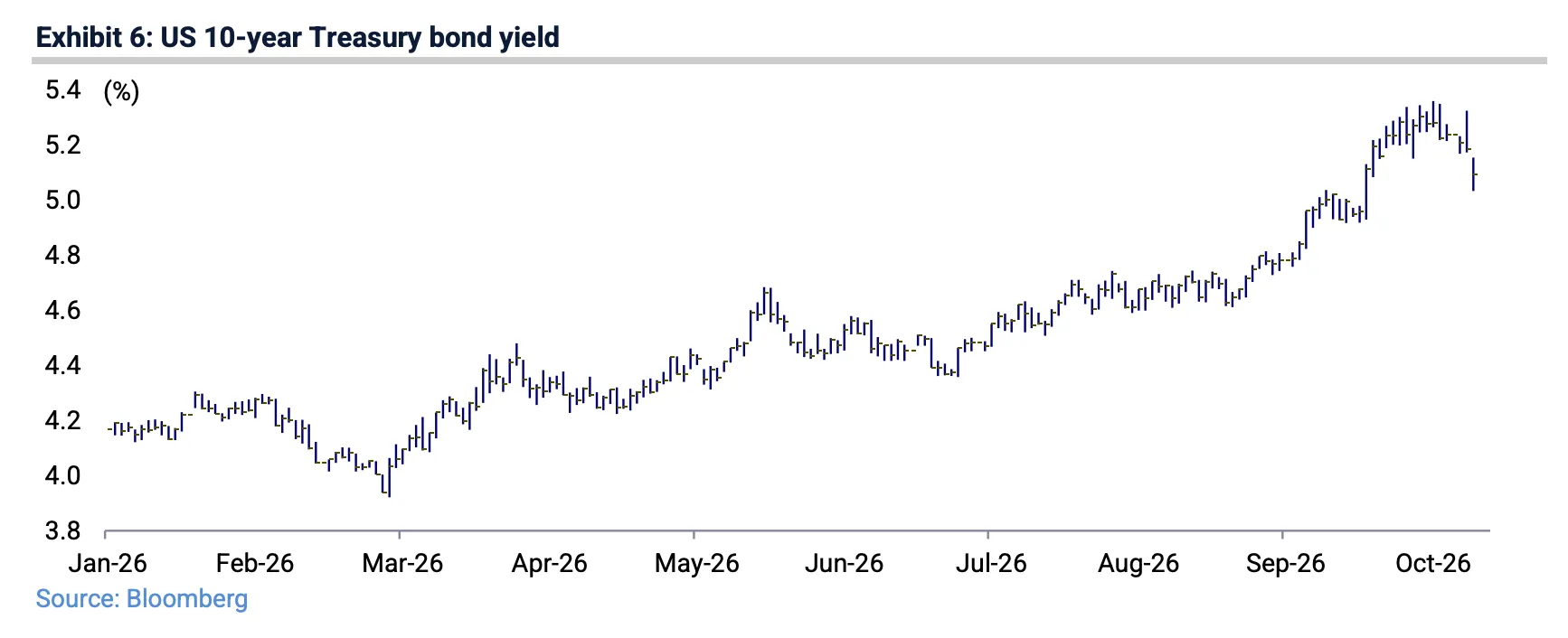
Interest rates are the clearest channel. The Federal Reserve raised its policy rate in September to a range of 3.75% to 4.00%, its first increase since 2023, and markets expect at least one more hike by December. The 10-year Treasury yield touched 5.34% in late September, the highest since 2002. Higher US yields raise the return investors can earn while staying in dollars, which reduces the appeal of emerging markets.
The election feeds into this channel through fiscal policy. A divided Congress tends to slow new spending and would ease some pressure on Treasury supply. A Republican sweep would make further tax cuts and higher defence spending more likely, adding to bond issuance at a time when investors already demand higher yields.
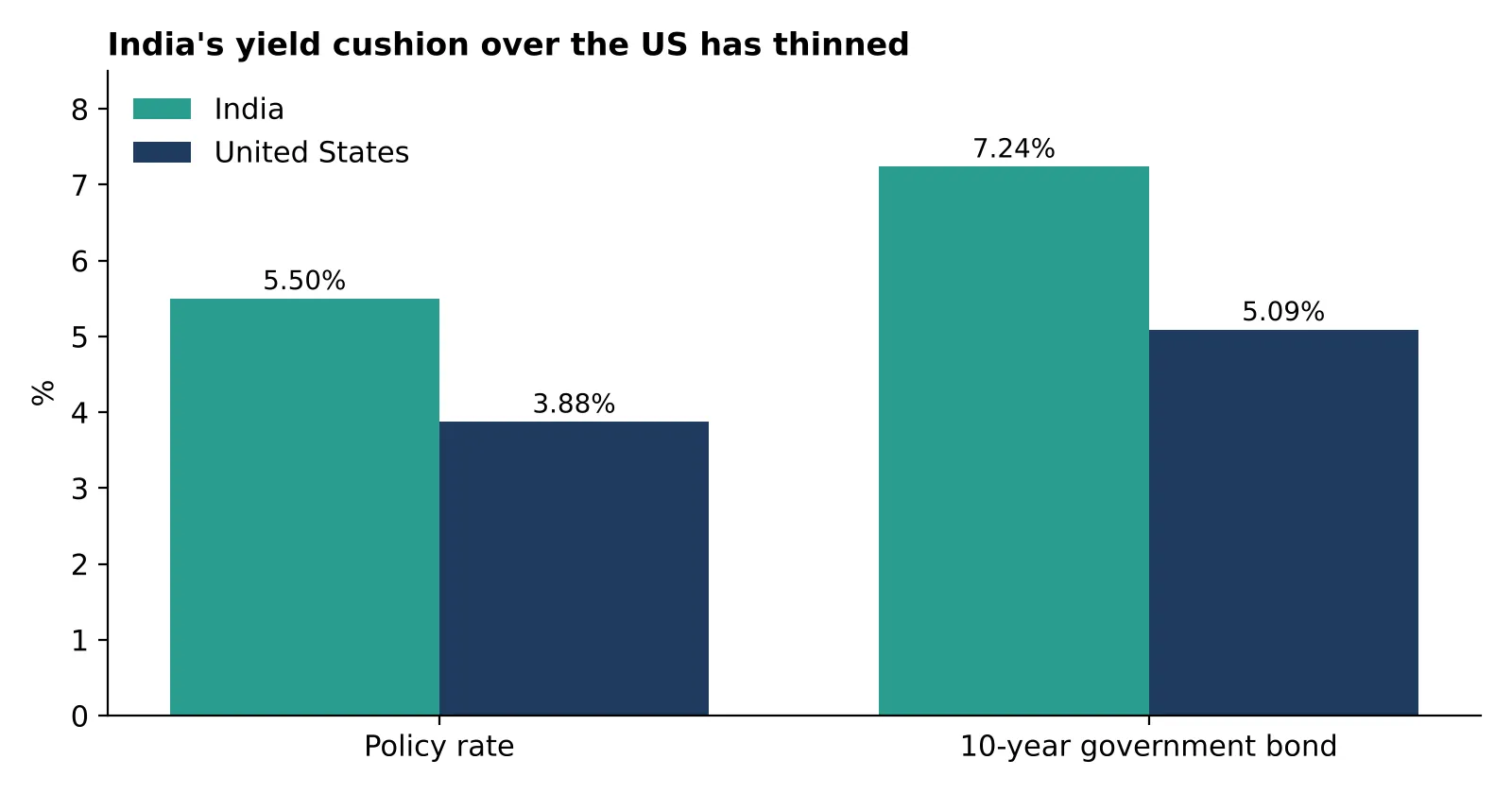
India's cushion has thinned. The gap between India's 10-year government bond yield and the US equivalent is now just over two percentage points. The Reserve Bank of India responded on 7 October with its first repo rate increase since February 2023, taking the rate to 5.50% and shifting its stance to calibrated tightening. It cited rising inflation and pressure on the rupee.
The RBI has returned to an older playbook
In the same fortnight, the RBI introduced a set of foreign exchange controls. It now supplies dollars directly to the three state-owned oil marketing companies, which removes their demand from the open market. It cut the limit for currency derivatives held without an underlying exposure from US$100 million to US$5 million, and banks must keep a 20% reserve against large rupee-linked derivative contracts. These measures resemble those used in 1997-98, 2011-12 and 2013, and that such controls have historically calmed markets for a short period while providing little lasting support to the currency.
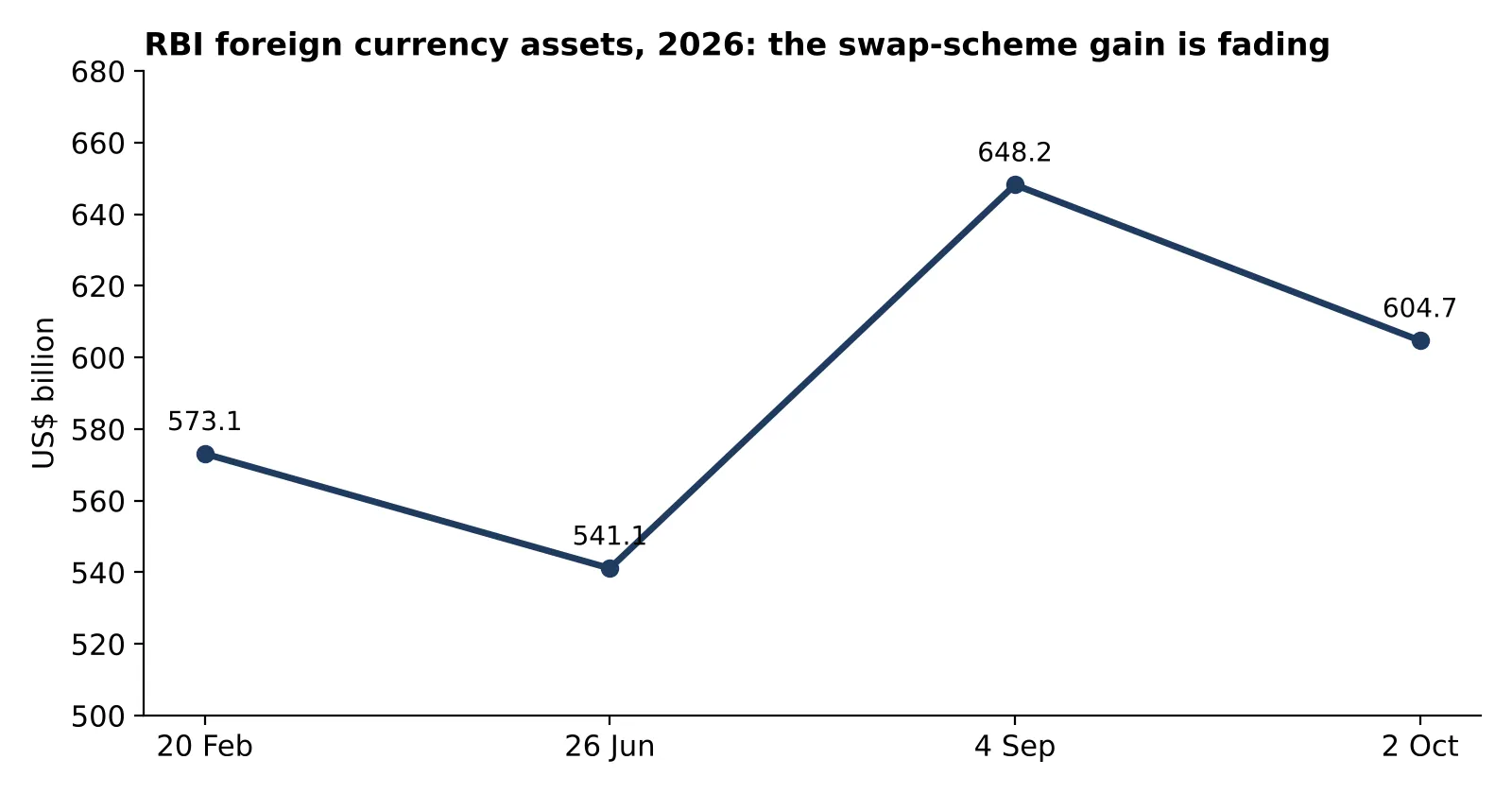
The reserve position explains the urgency. The RBI mobilised about US$143 billion through a foreign currency deposit and swap scheme this year. Its foreign currency assets climbed to US$648 billion in early September and have since fallen to about US$605 billion. At the current pace, the gains from the scheme could be exhausted by early 2027. Total reserves now cover about nine months of imports, below the long-term average of 11 months.
Why have Indian equities fallen behind, and what could turn them around?
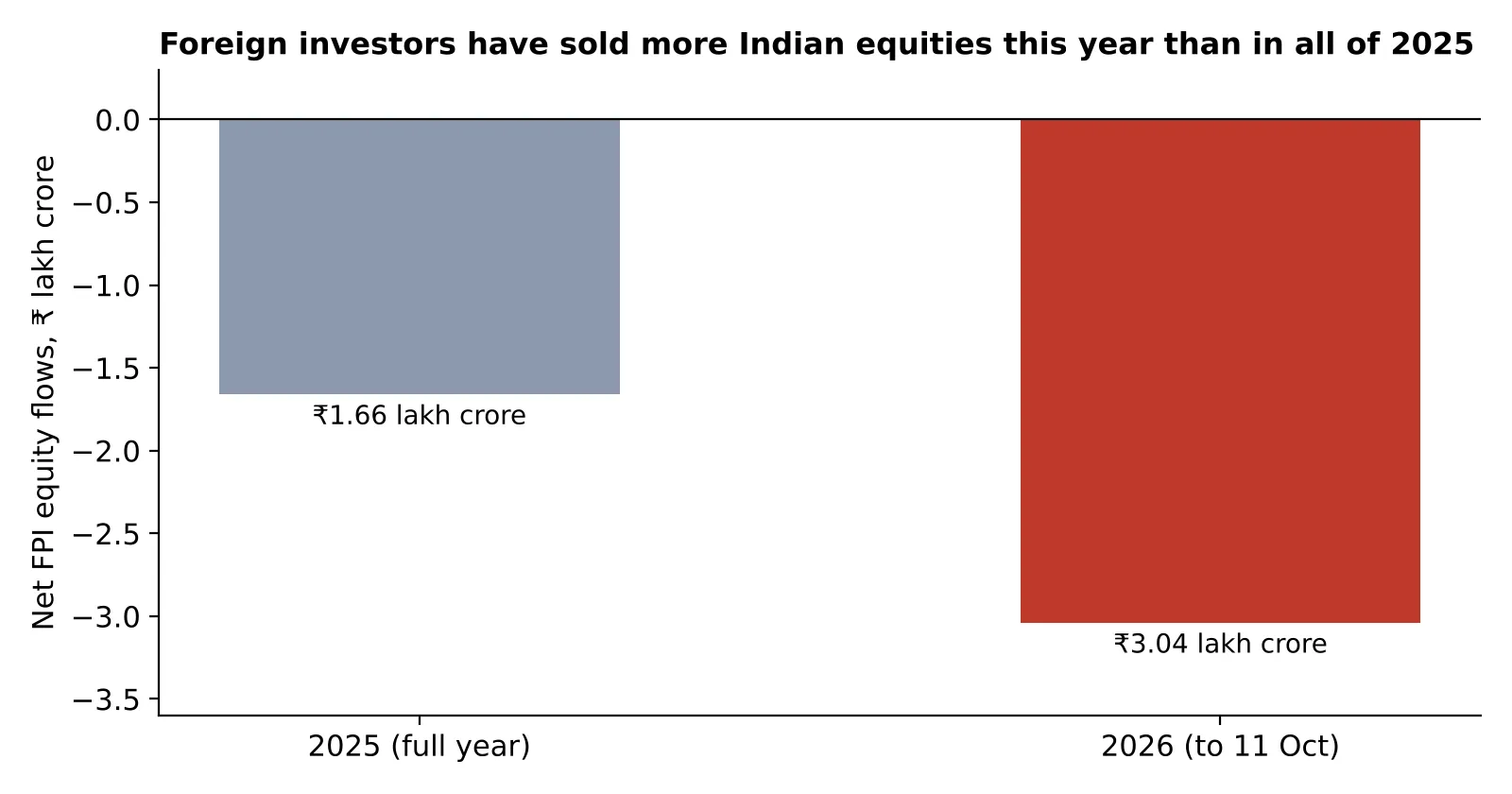
Foreign investors have sold a record ₹3.04 lakh crore of Indian equities in 2026, close to double the outflow for the whole of 2025. The Nifty is down about 14% this year, and the rupee has lost close to 7% against the dollar, so overseas investors have lost on both the stock price and the currency. Global funds seeking AI exposure have favoured the US, Taiwan and South Korea, and India has few listed companies that sell AI hardware.
The election could help reverse this through three routes. First, a weaker US consumer and a divided Congress would add pressure on the Fed to pause, which would reduce the pull of US yields. Second, a setback in AI stocks would push global funds to look for growth elsewhere. Emerging market leadership is already widening beyond AI, HSBC reports that investors are warming to India as a source of diversification, and Wood holds India above its benchmark weight in his Asia Pacific portfolio. Third, a clearer US tariff stance after the vote would give India a firmer basis on which to conclude its trade agreement.
Domestic conditions will decide how far a recovery goes
RBI takes the repo rate to 6.5% or higher over the next few quarters, with inflation running between 6% and 7%. Manufacturers face sharply higher raw material costs, and bank margins are under pressure from deposit competition. The Nifty trades at about 19 times forward earnings, which leaves limited room for disappointment.
Oil is the largest single variable. Houthi forces now control the Bab al-Mandab Strait at the mouth of the Red Sea and have attacked Saudi oil pipelines, refineries and airports. Crude has stayed above US$100 a barrel for much of the year, which keeps India's import bill and inflation high regardless of the outcome in Washington.
See what markets are pricing in
Live indices, sector moves and market breadth — the backdrop to every story we publish.
What should investors track between now and early 2027?
The result on 3 November, and in particular whether Republicans keep the Senate.
Any tariffs imposed under the Russian energy sanctions law and revised India-US trade terms.
The Fed's December decision and the path of the 10-year Treasury yield.
Credit spreads on AI infrastructure borrowers such as Oracle and CoreWeave.
RBI foreign currency assets, the rupee and the December monetary policy meeting.
Monthly foreign portfolio flows and Indian corporate earnings for the September and December quarters.
The midterms will set the tone of US policy for the next two years, while the larger forces acting on India come from bond yields, oil prices and the durability of AI investment. A divided Washington would add political friction and leave the President's trade powers largely intact. For India, the vote matters most through the dollar and US interest rates. If the election contributes to a Fed pause and a broader rotation away from AI stocks, India stands to recover part of the foreign capital it has lost this year. If US yields keep rising, the RBI will have to keep defending the rupee with tighter money and controls, and Indian equities will remain under pressure.