


The Indian electronics manufacturing industry is experiencing a significant boom. With a domestic production value exceeding $101 billion in FY23, the sector is poised for further growth. This expansion is driven by several factors, including a growing domestic market for electronic products, government initiatives promoting local manufacturing, and a skilled workforce. Let’s look at this in today’s video.
MS Industry: Sectors, Companies, Models, and Indian Players
EMS Value Chain
With rising per capita disposable income and private consumption, India has emerged as one of the largest markets for electronic products in the world. Domestic production of electronics is valued at $101 Bn in FY23 and is segmented (basis FY22 data) as:
Mobile Phones (43%),
IT Hardware (5%),
Consumer Electronics (12%),
Strategic Electronics (5%),
Industrial Electronics (12%),
Wearables & Hearables (0.3%),
PCBA (0.7),
Auto Electronics (8%),
LED Lighting (3%)
Electronic Components (11%).
Sectors that Use EMS:
The EMS industry caters to a wide range of sectors that rely on electronic components in their products. Here are some key examples:
Consumer Electronics: TVs, smartphones, tablets, laptops, wearables, etc.

Computers & IT Hardware: Personal computers, servers, networking equipment, etc.
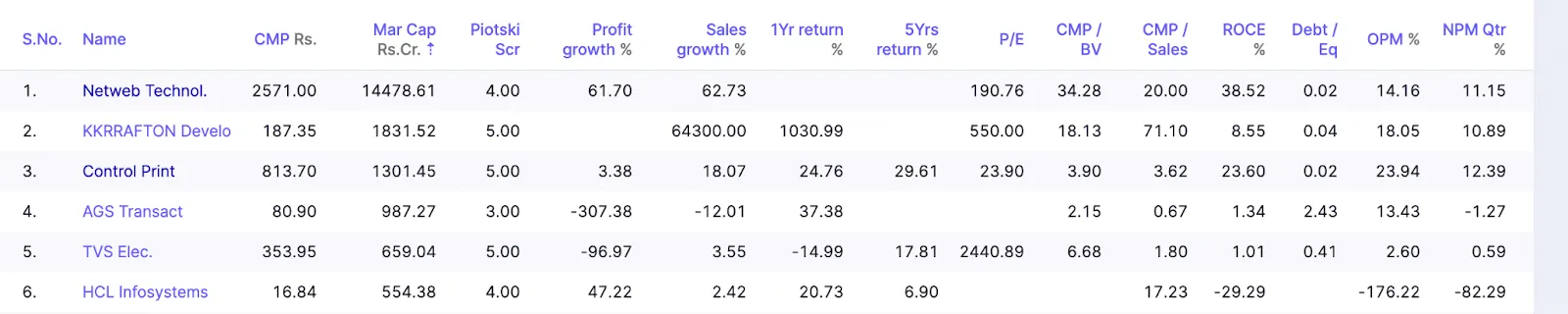
Telecommunications: Mobile network infrastructure, routers, switches, etc.
Industrial Electronics: Industrial automation systems, robotics equipment, control panels, etc.
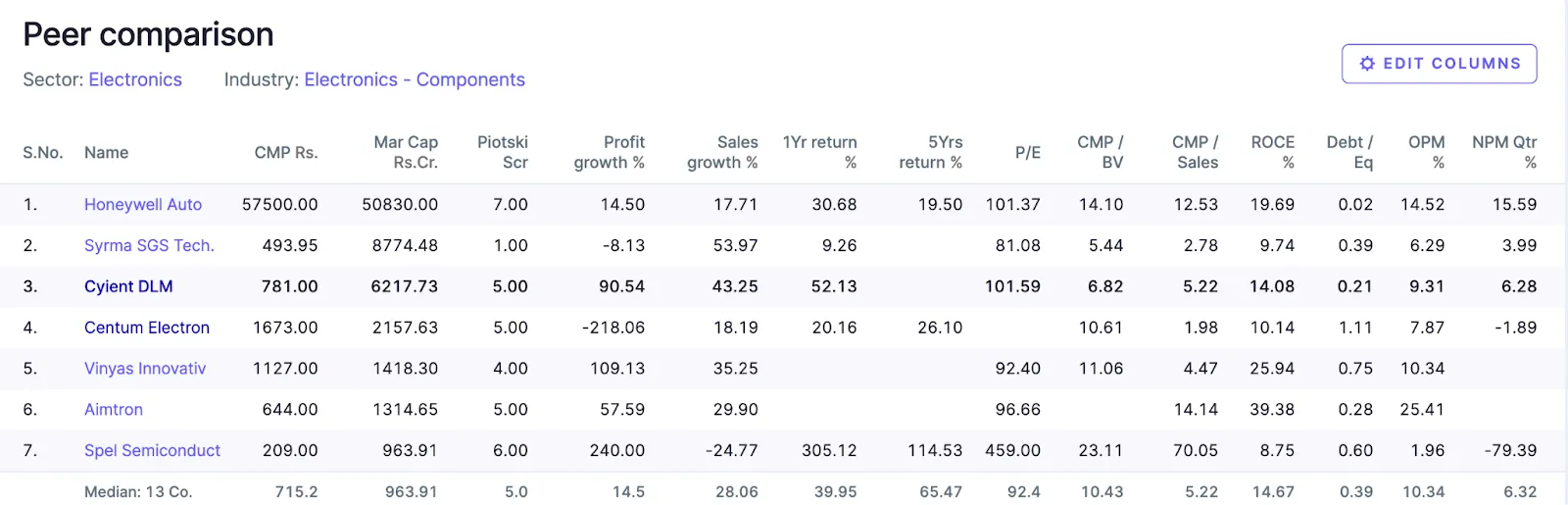
Automotive Electronics: In-vehicle entertainment systems, navigation systems, engine control units, etc.
For eg. Tecumseh world a renowned supplier of Compressors, similarly companies like Continental, Marelli (Magneti Marelli), Denso, JBM, Motherson, Sandhar, Bharat Forge, FIAT etc.
Medical Devices: Diagnostic equipment, pacemakers, hearing aids, etc.

Aerospace & Defense: Avionics, communication systems, radar systems, etc.

Types of EMS Companies:
There are various types of EMS companies specializing in different aspects of the value chain:
Full-service EMS (FS-EMS): Provide a complete range of services from design to manufacturing, testing, and logistics.
Design-focused EMS: Offer design and development expertise alongside manufacturing capabilities.
Manufacturing-focused EMS: Specialize in high-volume, low-mix production with efficient assembly lines.
Aftermarket Services EMS: Focus on repair and maintenance services for electronic products.
OEM vs. ODM Business Models in EMS:
OEM (Original Equipment Manufacturer): The brand owner designs and owns the intellectual property (IP) of the product. They provide detailed specifications to the EMS company, which simply manufactures the product according to those specifications. (Example: Apple and Foxconn for iPhones)
ODM (Original Design Manufacturer): The EMS company takes on more responsibility. They might design the product themselves (or collaborate with the client) and then manufacture it. This allows for higher profit margins for the EMS company but requires more technical expertise. Dixon is regarded as the most capable ODM whereas at the regional level brands such as Compal, Wistron, Quanta, TDK, and Celestica and at the Global level such as Foxconn, Flex, Benchmark, Pegatron etc
HVM vs. LVM Segments in EMS:
HVM (High Volume, Low Mix): Focus on mass production of a few types of electronic products. These segments typically deal with consumer electronics like TVs, smartphones, and washing machines.
LVM (Low Volume, High Mix): Involve smaller production runs with a wider variety of products. They cater to specialized needs in sectors like medical devices, aerospace, and industrial automation. These products require higher quality and customization, leading to higher margins.
See what markets are pricing in
Live indices, sector moves and market breadth — the backdrop to every story we publish.
The Global Landscape of Electronic Manufacturing Services (EMS)
The Electronic Manufacturing Services (EMS) industry plays a crucial role in bringing electronic devices to life. These companies handle various stages of production, from assembling components to testing finished products, for leading brands worldwide.
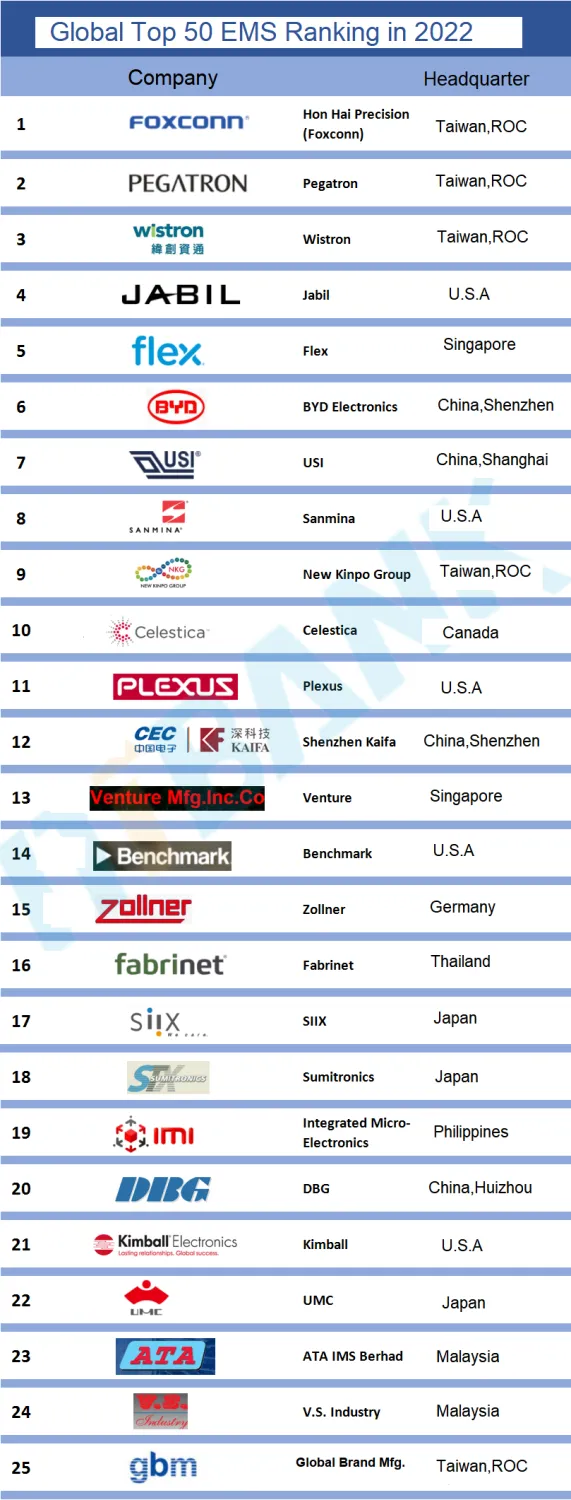
EMS Industry Powerhouses:
The global EMS landscape is dominated by a few major players, with Asian companies holding a significant share.
Leading names include Foxconn (Taiwan), Hon Hai Precision Industry (Taiwan), Pegatron (Taiwan), Wistron (Taiwan), and Flex (Singapore).
These giants boast vast production capacities, established supply chains, and expertise in handling complex electronics.
The China Advantage:
China has emerged as the undisputed leader in EMS, accounting for a substantial portion of global production. This dominance can be attributed to several factors:
Cost Advantage: China offers competitive labor costs, making it an attractive location for cost-sensitive manufacturing.
Infrastructure & Ecosystem: The country has well-developed industrial infrastructure, a robust supply chain network, and a large pool of skilled labor.
Government Support: The Chinese government actively promotes the electronics sector through various policies and incentives.
Shifting Tides: The Rise of "China + 1" Strategy
Recent geopolitical tensions and supply chain disruptions have prompted some major brands to diversify their manufacturing footprint beyond China. This trend, known as the "China + 1" strategy, presents opportunities for other countries to enter the EMS arena.
Countries like Vietnam, India, and Mexico are actively attracting companies looking to create alternative production bases. These nations offer competitive labor costs, government support for manufacturing, and strategic locations for global markets.
Looking Ahead for EMS:
The global EMS landscape is undergoing a transformation. While China maintains a strong position, the "China + 1" strategy opens doors for other regions to capture a larger share of the market. The future success of EMS players will depend on their ability to adapt to these changing dynamics, optimize costs, and ensure supply chain resilience.
Get research like this in your inbox
The week’s research that mattered, in five minutes. Joined by 2L+ investors.
The Rising Star - Indian EMS Industry
EMS Sector Has High Growth Potential:
The Indian Electronic Manufacturing Services (EMS) industry is at an exciting juncture. While still in its early stages compared to giants like China, India presents immense potential for future growth. This potential stems from a confluence of factors that we will explore in this presentation.
Growth Drivers Fueling the EMS Growth:
Soaring Domestic Demand: India's domestic demand for electronic devices like smartphones, TVs, and appliances is rapidly increasing. This creates a strong domestic market for EMS players, eliminating the need for sole reliance on exports.
"China + 1" Strategy: As companies adopt the "China + 1" strategy to diversify their manufacturing base, India emerges as a viable alternative. This presents a significant opportunity for Indian EMS companies to attract global brands seeking reliable partners.
Government Initiatives: The Indian government is actively promoting domestic electronics manufacturing through various initiatives:
Production Linked Incentive (PLI) Schemes: These schemes offer financial incentives to attract investments in specific sectors, including electronics manufacturing.
Atmanirbhar Bharat (Self-Reliant India) Mission: This initiative encourages domestic production and reduces reliance on imports, boosting the local EMS industry.
Semiconductor Mission: Focused efforts are underway to develop a domestic semiconductor ecosystem, which will further strengthen the overall electronics manufacturing landscape.
Challenges on the Path to Growth for Indian EMS Industry:
Despite the promising outlook, there are challenges that Indian EMS companies need to overcome:
Limited Local Component Ecosystem: Currently, India relies heavily on imported electronic components, increasing production costs and dependence on external factors. Developing a robust domestic component manufacturing ecosystem is crucial for long-term success.
Competing on Cost: Established EMS players, particularly those in China, have a significant cost advantage due to economies of scale and well-established infrastructure. Indian companies need to focus on operational efficiency, skilled workforce development, and exploring automation to remain competitive.
Future Outlook: The Indian EMS Industry Takes Flight
Government Initiatives Shaping the Future of Indian EMS Industry:
The Indian government recognizes the challenges faced by the EMS industry and is actively working to address them:
Investing in Electronics Infrastructure: Creating dedicated electronics manufacturing zones (EMZs) with robust infrastructure and plug-and-play facilities will attract companies and reduce operational costs.
Skill Development Programs: Initiatives like Skill India are fostering training programs to equip the workforce with the necessary skills for the EMS industry.
Promoting R&D: Encouraging investments in research and development will help create a domestic component manufacturing base and reduce reliance on imports.
A Global Player in the Making:
The Indian EMS industry holds immense potential to become a major player in the global landscape. With a large domestic market, a skilled workforce, and government support, India can offer:
Cost Competitiveness: As the industry matures, economies of scale and operational efficiency will improve, making India a cost-effective alternative.
Strategic Location: India's geographical position offers easy access to key markets in Asia, Africa, and the Middle East.
Reliable Partner: With a growing focus on quality and innovation, Indian EMS companies can become trusted partners for global brands.
Considerations for Investors:
Investors interested in the Indian EMS sector should consider the following:
Segment Focus: Identify high-growth segments within EMS, such as mobile phone manufacturing or wearables.
Company Capabilities: Evaluate the track record, infrastructure, and technological expertise of potential partners.
Long-Term Growth Strategy: Look for companies committed to innovation, skill development, and building a strong domestic component ecosystem.
Is your portfolio built for what’s coming?
Get a free AI-powered review of your holdings — risk, overlap and quality in minutes.
Conclusion: India's Rise in the Global EMS Arena
Key Takeaways
The global EMS industry is undergoing a shift, with the "China + 1" strategy creating opportunities for new players. India, with its surging domestic demand, skilled workforce, and supportive government policies, is well-positioned to capitalize on this trend. While challenges like a limited component ecosystem and cost competitiveness exist, government initiatives are underway to address these.
India's Potential:
The Indian EMS industry boasts immense potential to become a global leader. Its strategic location, combined with a growing domestic market and a focus on quality, positions India as a reliable partner for global brands. As the industry matures and embraces innovation, cost competitiveness will further improve.
The Indian EMS industry presents a compelling growth story for investors and stakeholders. Stay tuned for further insights into specific segments and investment opportunities (if applicable). You can also share this information with anyone interested in the future of electronics manufacturing.